


[Meticulous Doctor] Tattoo Removal[Tattoo Removal, If Long Waits Were a Burden] R0 Tattoo Removal
![[Tattoo Removal, If Long Waits Were a Burden] R0 Tattoo Removal](/_next/image?url=https%3A%2F%2Ffirebasestorage.googleapis.com%2Fv0%2Fb%2Fkkeutguro-7e583.firebasestorage.app%2Fo%2Fproducts%252Fguro%252Fen%252F1758790504352_51c9dbe2-07c3-4d11-b5d6-2d330c945f22_rt.webp%3Falt%3Dmedia%26token%3D2e7f40f4-5593-4a03-9059-ec436f2ffc22&w=2048&q=75)
[Tattoo Removal, If Long Waits Were a Burden] R0 Tattoo Removal
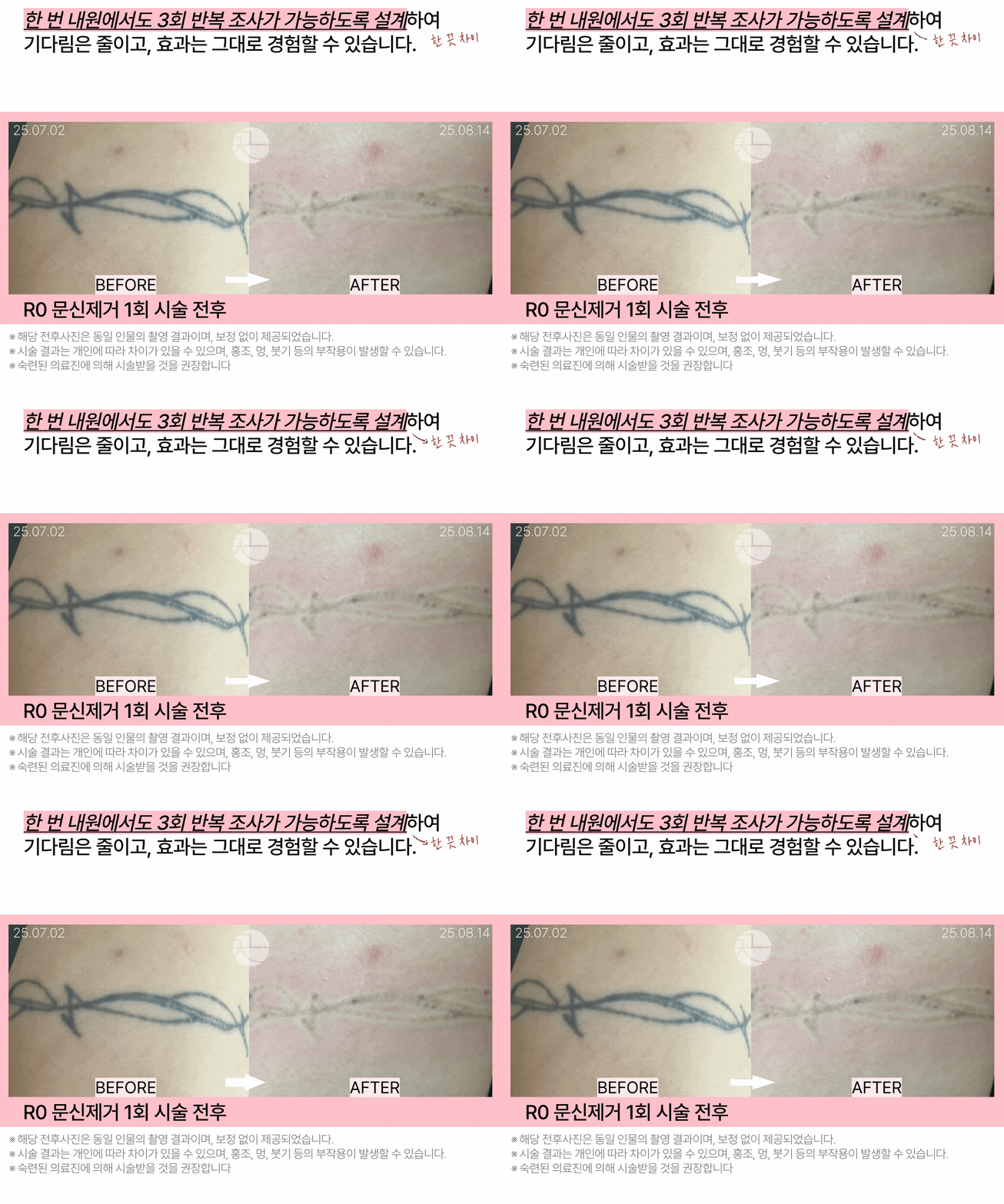
If the tattoo removal process, which involves long waits and repeat visits, has been a burden, try the R0 method, where laser treatment is divided into 3 sessions during a single visit, reducing the time burden required for tattoo removal. By incorporating our proprietary bubble removal know-how, we enable repeated laser treatments on the same day, helping to reduce the inconvenience of multiple clinic visits and the burden of the overall treatment period. Depending on the color, depth, and area of the tattoo, the number of sessions required and the results may vary for each individual. *VAT not included
Options
Treatment Details
R0 Technique Tattoo Removal
Immediate Repetitive Laser Passes Using PFD
Tattoo removal using lasers has primarily involved breaking down pigments with nanosecond lasers, such as the Q-switched Nd:YAG 1064nm.
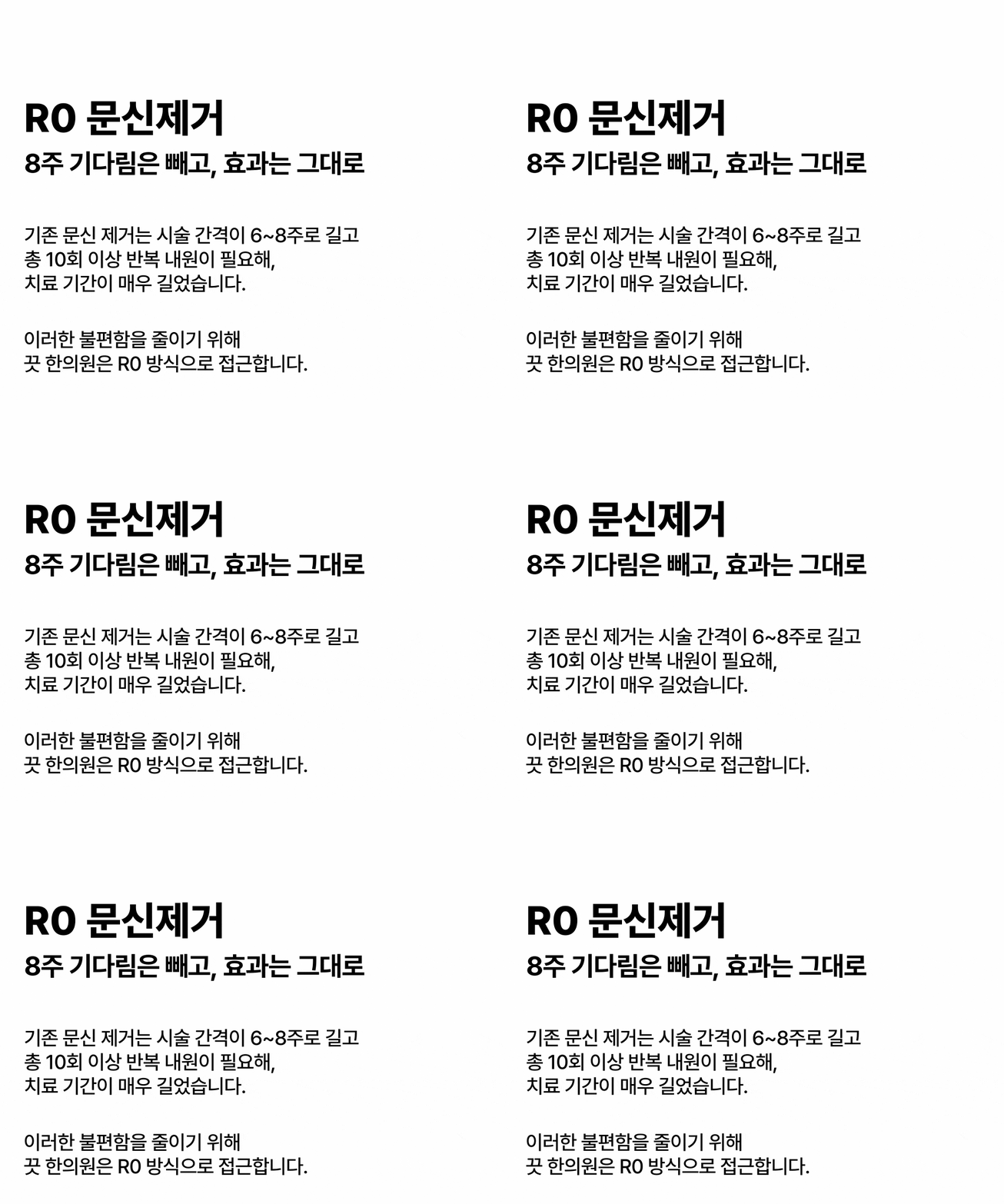
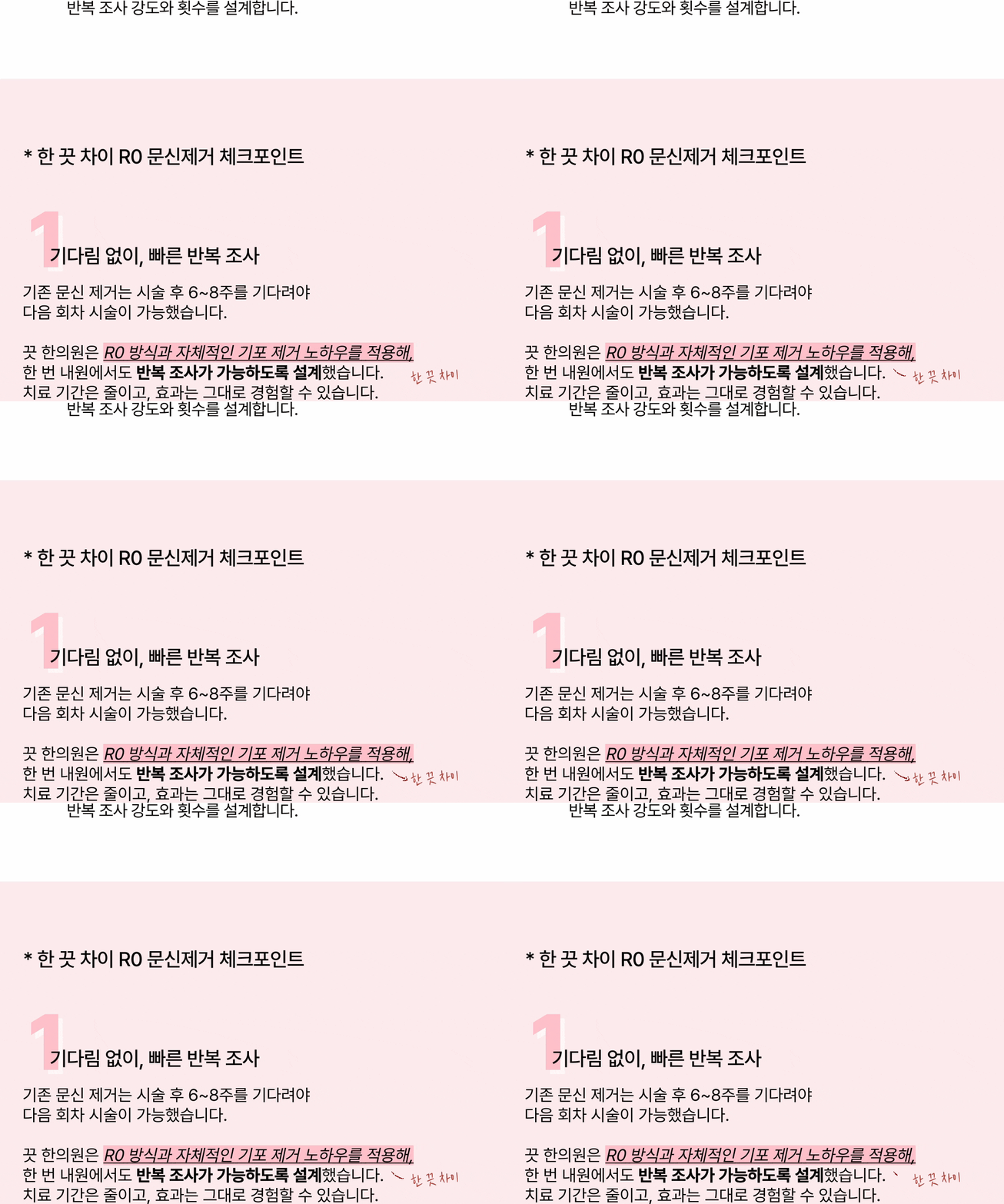
However, traditional treatment methods require a recovery period of 6-8 weeks after one laser pass before proceeding to the next step. As a result, the total number of treatment sessions often exceeded an average of 10, leading to prolonged treatment durations.
A new approach introduced to overcome these limitations is the R0 technique.
What is the R0 Method?
The R0 method refers to a tattoo removal technique that involves applying the laser to the same area up to 4 times during a single visit.
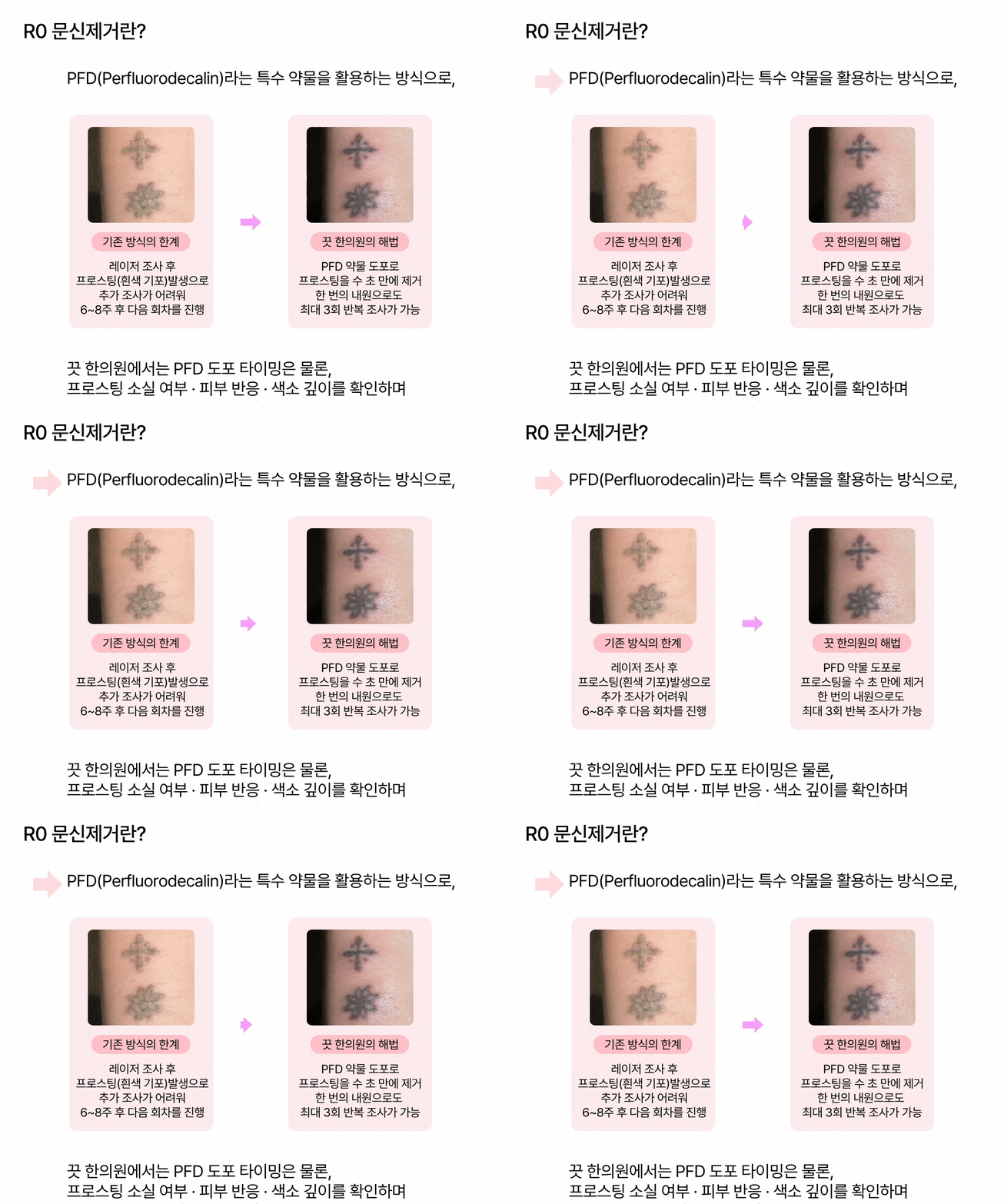
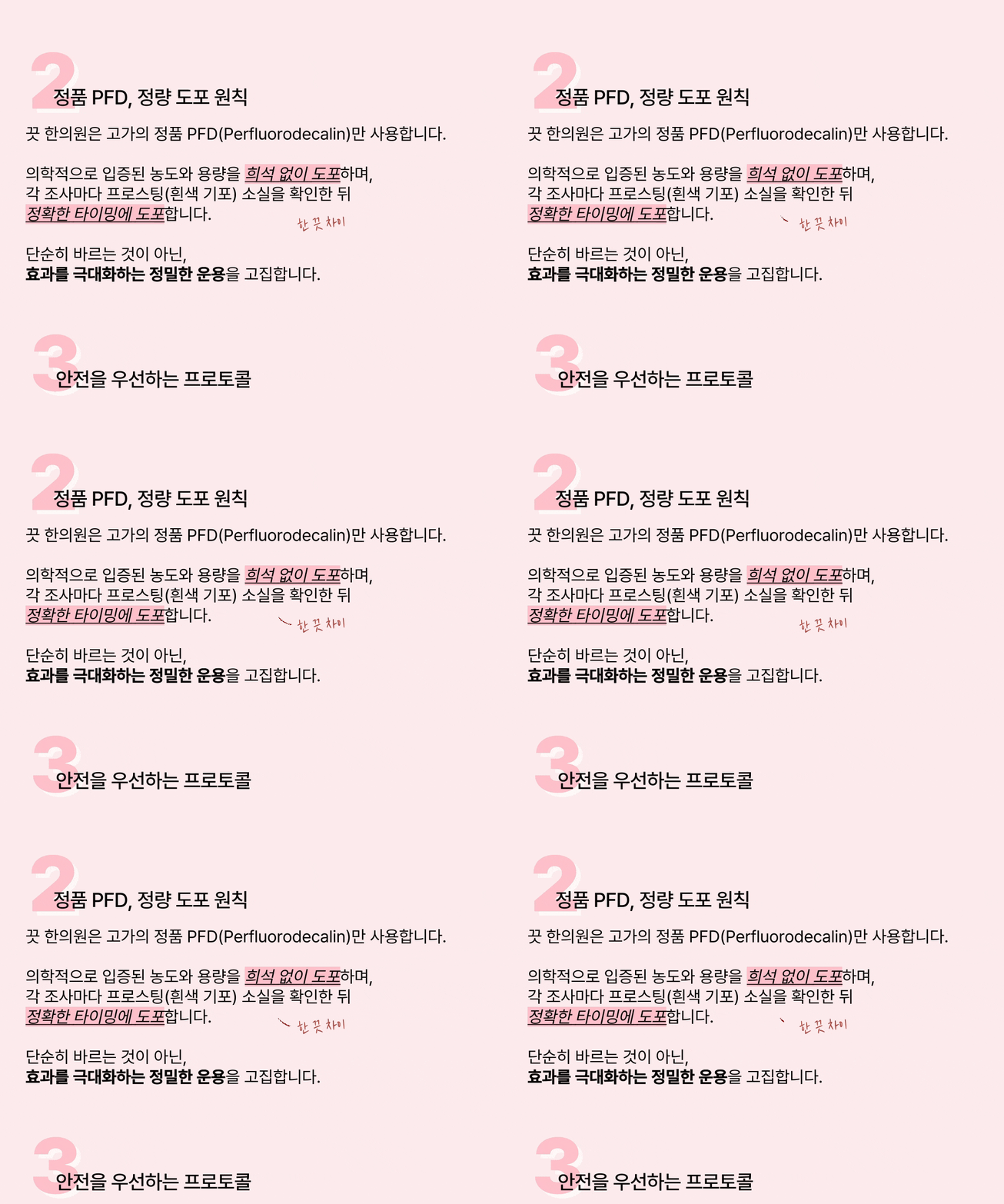
A key feature of this technique is the use of a special liquid medication called ‘PFD (Perfluorodecalin)’.
When a laser touches the skin, white bubbles called 'frosting' appear on the surface.
These bubbles scatter the laser light, becoming a primary reason for significantly reducing the effectiveness of subsequent laser passes.
In the past, it was common to wait tens of minutes for these bubbles to naturally disappear, or to postpone the next treatment session. However, often the bubbles would not completely disappear even after waiting.
However, applying PFD allows for rapid removal of frosting within seconds, and shortens the laser pass interval to about 1-2 minutes, enabling immediate repetitive passes.
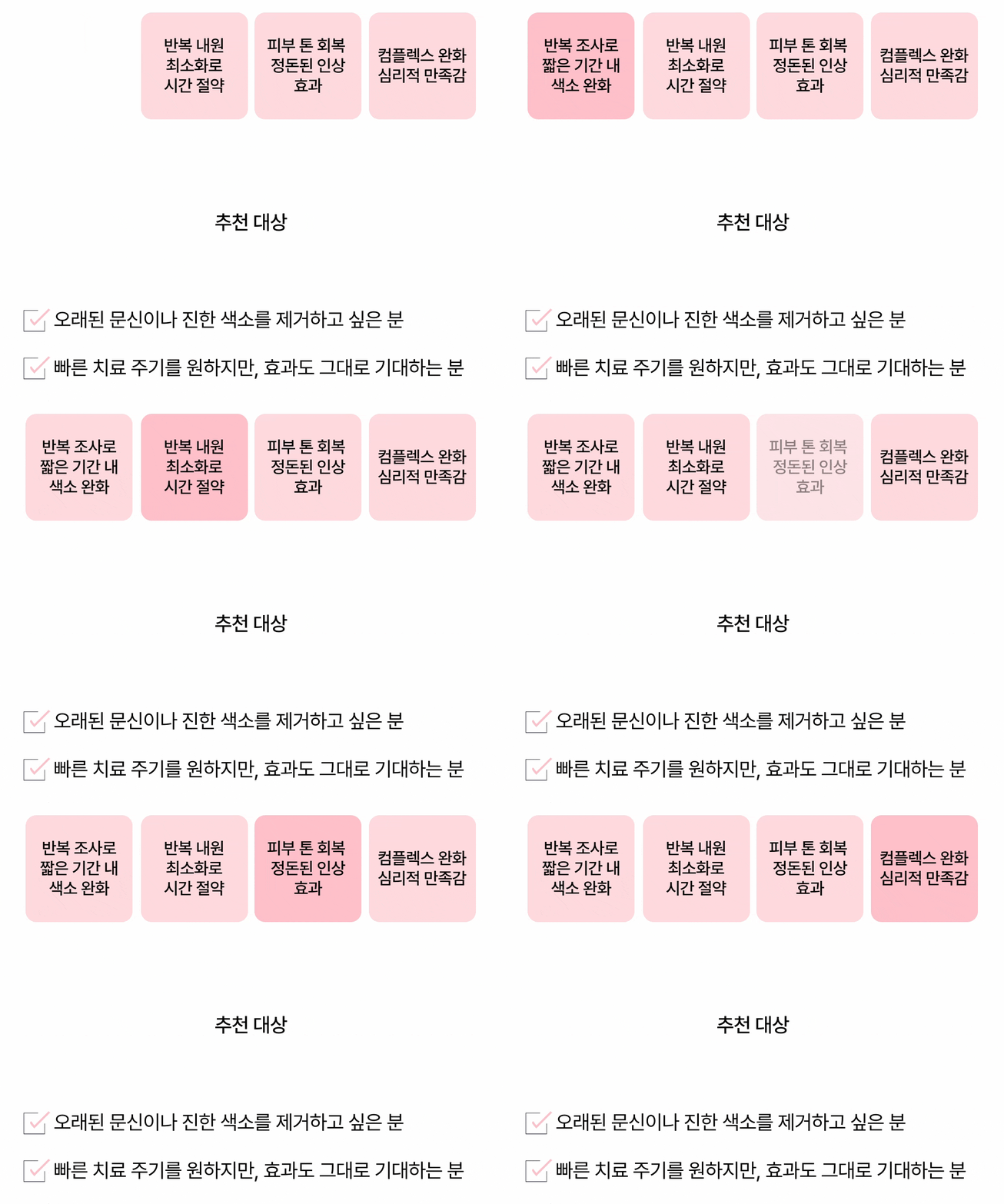
This allows for a significant level of pigment reduction effect to be expected within a much shorter period than before.
Related Research Findings
- Biesman et al., 2013
- It was confirmed that in patient groups treated with the R0 method, the number of treatment sessions could be reduced by approximately 30-50% compared to traditional methods.
- Furthermore, it was reported that repetitive treatment is possible immediately after laser application.
- Kauvar et al., 2020
- In patients treated with the R0 method around 3 times, the total number of laser passes reached approximately 10 (or about 3 sessions with the R0 method),
- and in these cases, over 70-90% pigment removal effect could be observed.
- Additionally, the incidence of side effects such as PIH (Post-Inflammatory Hyperpigmentation) was reported to be low.
So why are repetitive passes typically done '3 times' rather than 'up to 4 times'?
Theoretically, the R0 method can allow for up to 4 repetitive laser passes, but
in actual clinical practice, treatment often stops after 2-3 repetitive passes.
The reasons can be explained as follows:
1. Characteristics of Asian Skin
Asian skin has highly reactive melanin cells, making it more prone to post-inflammatory hyperpigmentation (PIH).
Especially for individuals corresponding to Fitzpatrick Skin Type III~IV,
excessive repetitive passes can go beyond pigment removal and stimulate the skin, increasing the risk of worsening hyperpigmentation.
2. Consideration of Number of Passes and Safety
While it is possible to perform repetitive passes up to 3 times while carefully observing the skin's reaction,
if more than 4 passes are applied, the likelihood of side effects such as risk of damage to normal skin tissue, pain, redness, and minor burn reactions significantly increases.
3. Limitations in Pass Efficiency
Even with PFD, there is a limit to the amount of pigment particles that a laser can break down.
If approximately 3 repetitive passes are performed in a single session, the efficiency of passes decreases thereafter,
and often, increasing the laser intensity yields minimal additional therapeutic effect, while only increasing the risk of side effects.
Thus, the technical potential of ‘up to 4 passes’ and the ‘actual number of passes that are safe and yield optimal results for the patient’ are different.
Medical professionals prioritize patient skin safety and expected outcomes, applying the principle of 3 repetitive passes.
So, why don't all medical institutions adopt the R0 method?
This treatment method does not always bring only advantages from the hospital's perspective.
- PFD medications can be challenging to obtain consistently, in addition to being costly.
- This procedure requires the careful judgment of experienced medical professionals when determining the timing of medication application and planning repeated treatments.
- Compared to conventional tattoo removal methods, the time required for this procedure may be two to three times longer.
For this reason, it may not be the preferred approach for clinics that prioritize efficiency.
However, our medical team values the completeness of the procedure and minimizing our patients' burden.
We believe that the clinical effectiveness of this method cannot be overlooked.
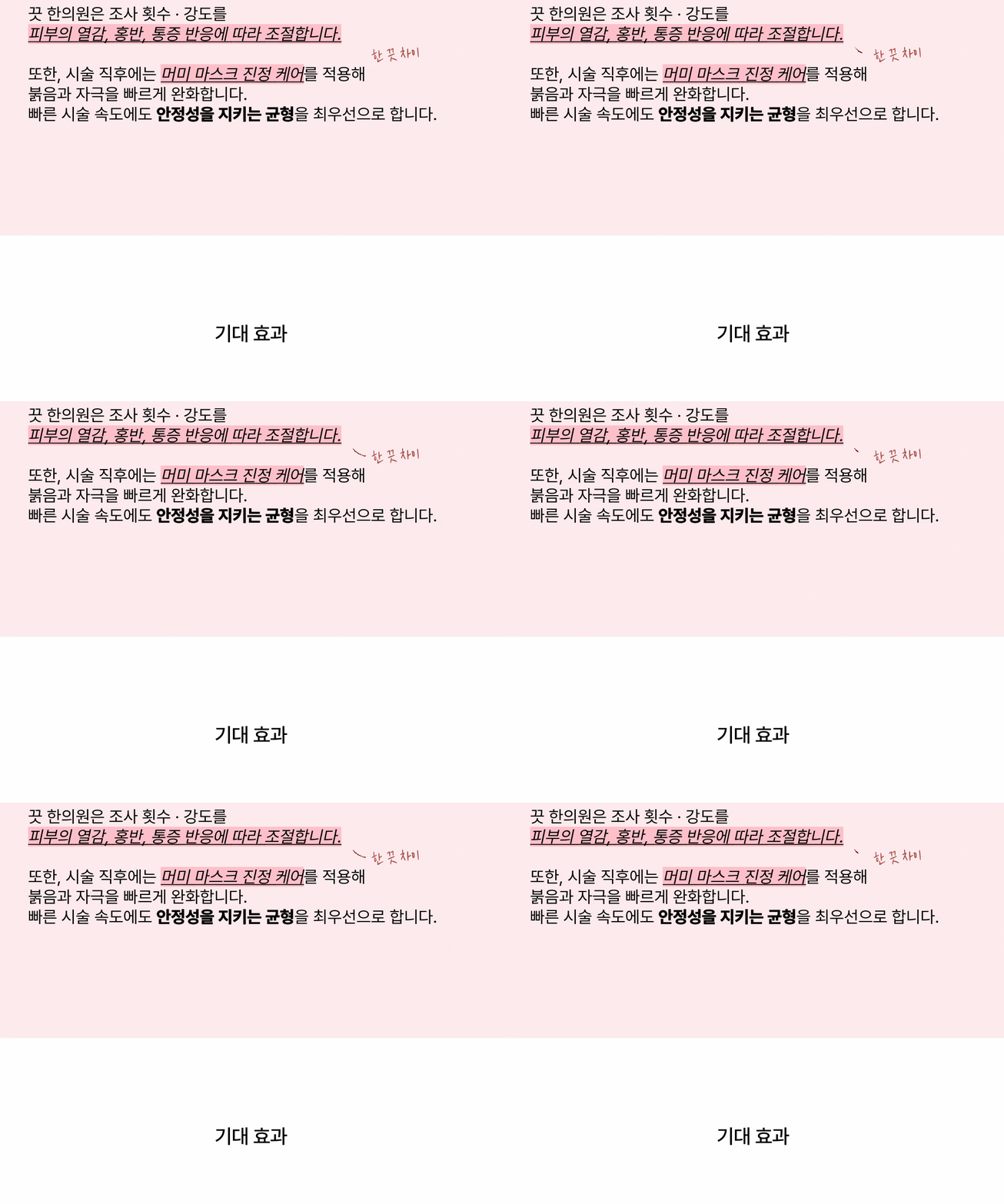
We perform treatments by delicately repeating only as much as needed, avoiding unnecessary excessive treatment,
We always take a meticulous approach to ensure the most satisfying tattoo removal results, all while prioritizing the safety of our patients' skin.
We strive to shorten treatment times, reduce the number of required sessions, ensure safety, and achieve a high level of satisfaction.
Procedure Steps
첫 상담부터 마무리까지의 실제 진행 순서를 확인하세요.
- 01
Consultation considering individual skin condition
- 02
Application of anesthetic cream before the procedure
- 03
Laser procedure tailored to individual skin characteristics
- 04
Post-procedure soothing and finishing care
시술 기본정보
시술 시간, 마취, 회복, 유지기간을 한 번에 확인하세요.
TIME
1 hour ~ 1 hour 30 minutes (varies depending on size)
ANESTHESIA
Anesthetic cream
RECOVERY
Immediate return to daily life
Ideal For
One Fine Difference makes real results.
- KKEUT POINT 01
Recommended for those who have been concerned about tattoos.
Q&A
고객님들이 가장 많이 물어보시는 내용을 모았습니다.
How many sessions are usually recommended for the treatment?

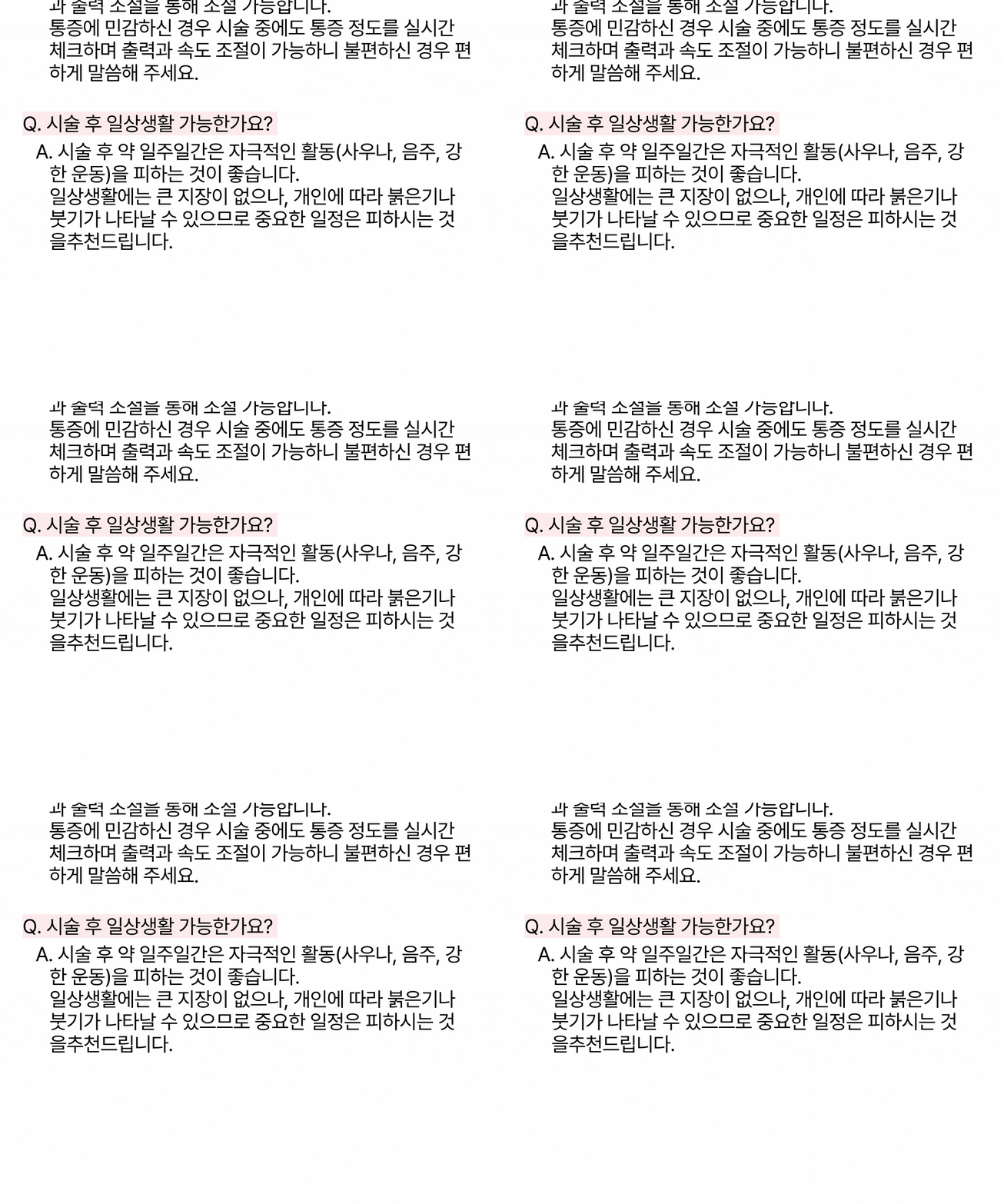
The recommended number of sessions may vary depending on the pigment depth and condition of the tattoo. Generally, multiple sessions can be considered with intervals of about 4-6 weeks. We will provide detailed guidance through a personalized consultation.
Do I need to purchase ointment separately after the procedure?
After tattoo removal, the treated area may experience irritation. Therefore, we provide ointment for you to use at our clinic.
Cautions
Results = Treatment × Aftercare. Please follow the notes below.
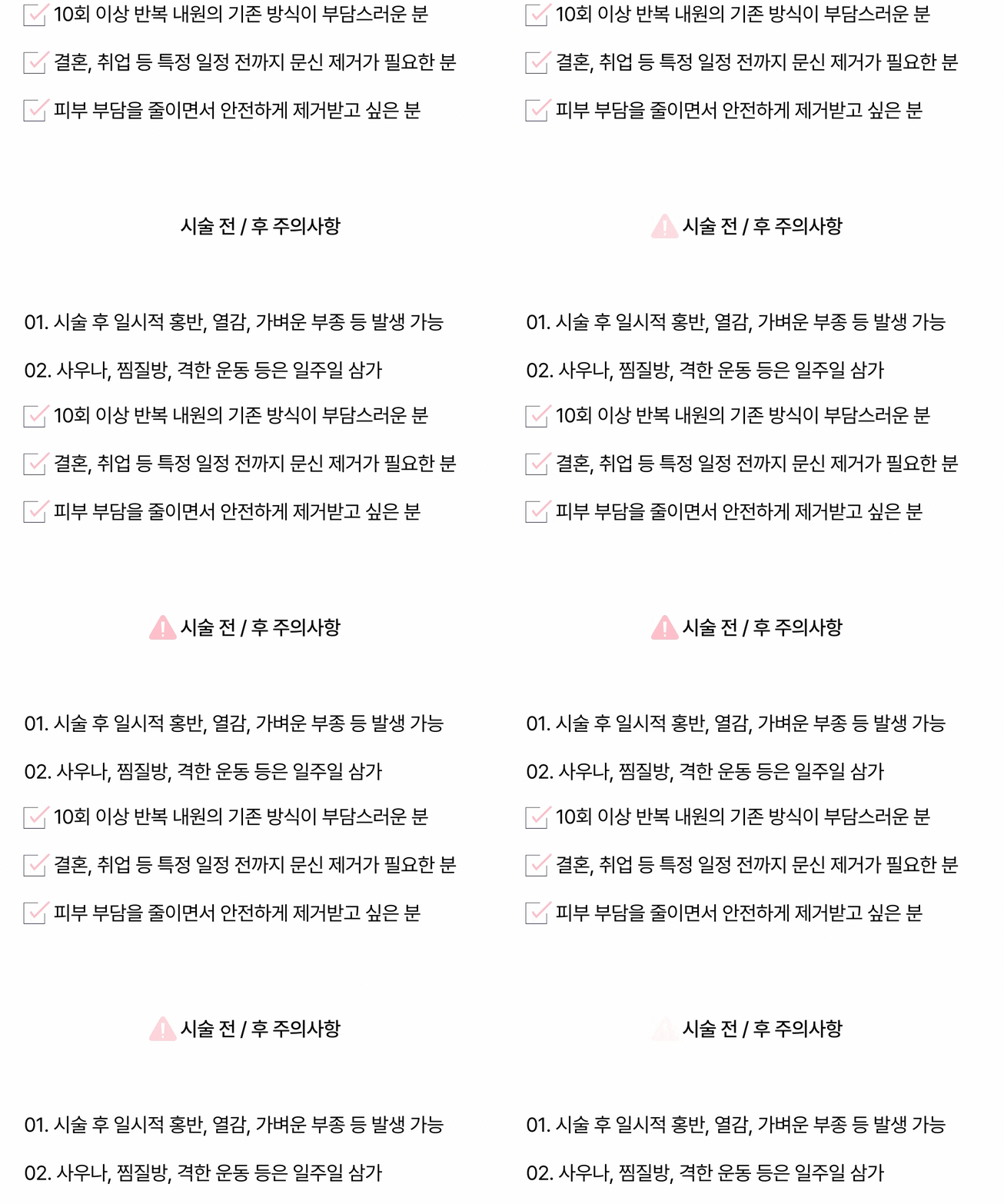
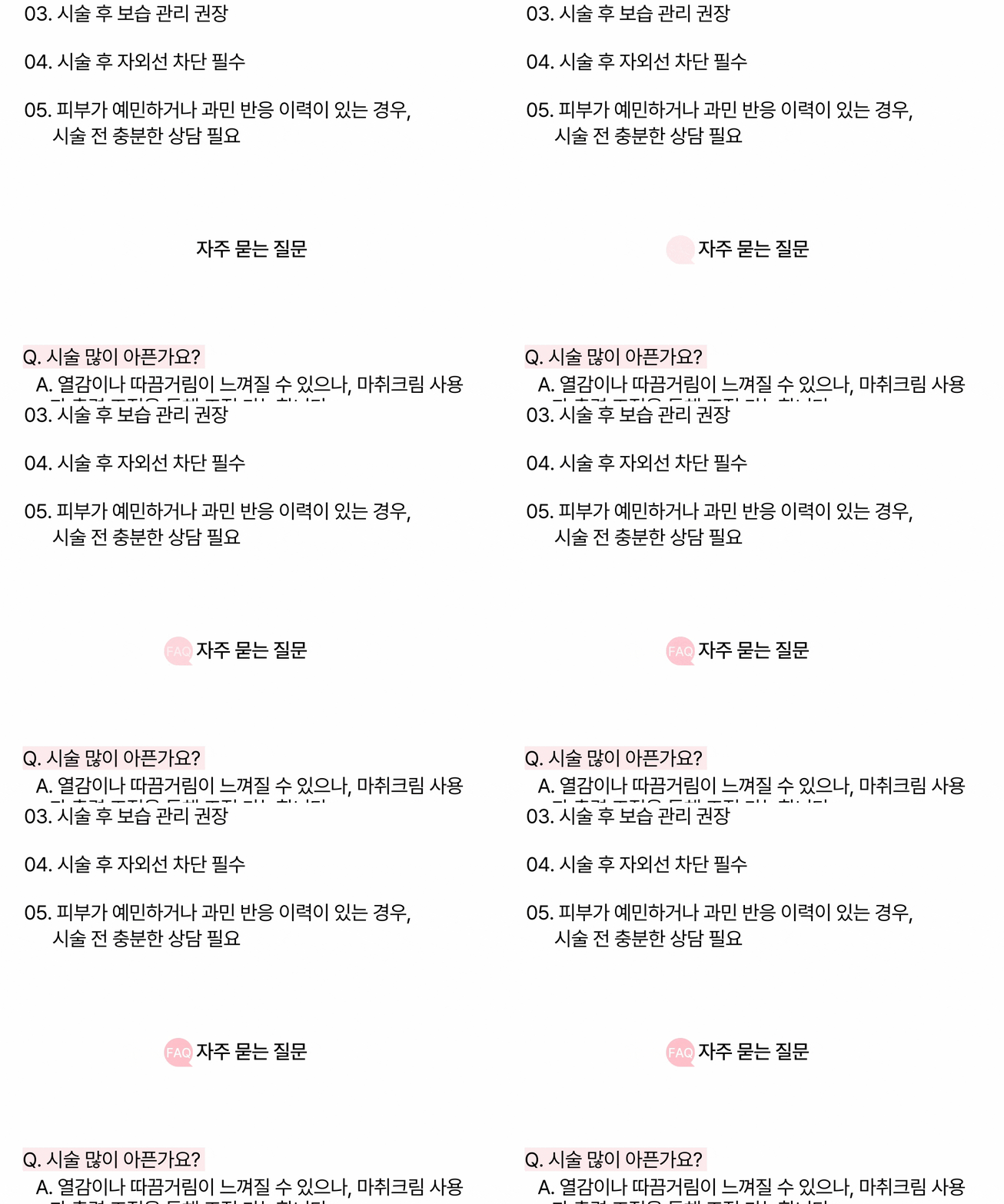
It is recommended to avoid using irritating scrub products on the skin for about a week after the procedure.
If scabs form on the treated area, be careful not to pick them off; let them fall off naturally.
For the first 24 hours after the procedure, care is needed to prevent water from touching the treated area.
It is best to avoid rubbing or unnecessarily irritating the treated area.
For about 7 days after the procedure, please refrain from alcohol, smoking, using saunas, and strenuous exercise.